Why this comparison matters now
The LMS market is huge - there are over 950 LMS tools listed on G2, but only a fraction really fit corporate training needs. Picking the right one matters. Good tech can save time and money. Bad choices frustrate your team and drive employees away.
Most learning doesn’t even happen in formal courses. Research shows 94% of employees would stay longer if they had better professional development, but formal content is just the start. A smart corporate platform needs to support peer learning, mentorship, and on-the-job workflows.
But it’s not just about features. 29% of L&D teams say bugs and bad UX are top blockers for adoption. Slow, clunky, or confusing platforms won’t get used, no matter how many features they have.
What’s new for 2026? More platforms now use AI for content recommendations, course building, and personalizing the learning journey. Portals for different audiences are the norm. Analytics are getting deeper, so you can tie learning to business impact - think Salesforce/BI dashboards, not just completion ticks. And if you want to monetize your course library, most top options support e-commerce too.
How we selected
I looked at analyst notes, user reviews, and real-world case studies. I avoided tools that only work for schools or that skimp on reporting, AI, or compliance. I included options for small teams and large organizations, plus cloud, enterprise, and open-source. Average contract values range from a few hundred to over $70,000 a year for big players.
At-a-glance: who should pick what
- If you want AI-personalized learning and global scale: Docebo
- Peer-driven collaboration: 360Learning
- Small-to-midsize teams and fast startup: TalentLMS
- Enterprise compliance + portals: Absorb
- External partner/customer training: SAP Litmos
- Rapid, mobile-friendly rollout: iSpring LMS
- Easy for both education and business: D2L Brightspace
- Deep enterprise suite: Cornerstone Learning
- Advanced skills management: Adobe Learning Manager
- Open-source, budget-friendly (if you have IT support): Moodle Workplace
The 10 best online corporate training platforms
1) Docebo
Docebo stands out for AI-powered recommendations, strong informal learning, and support for global rollouts. It handles multiple audiences in one backend and 24/7 support. Firms like Flix saved €135,000 a year by moving onboarding here; Booking.com cut admin time by 800+ hours. It scales fast - Zoom went from 100,000 to 600,000 users in a year. Completion rates and support ticket reductions are common.
Pricing is almost always custom, and many advanced features (like deep analytics or content libraries) are paid add-ons. The UI can be complex; you might need a dedicated admin.
as a Colossyan employee, I like pairing our Doc2Video with Docebo to turn boring SOPs into SCORM-tracked video modules, fast. Instant Translation means you can launch in 18 languages, just like Flix - no studio, no re-recording. You also get branching and conversation modes for scenario-based practice, plus direct SCORM quiz/reporting for better analytics.
2) 360Learning
360Learning is all about collaborative, peer-created training. It combines async modules, live sessions, templates, and built-in authoring. Teams can co-create and iterate quickly - supporting the reality that most learning is social.
It’s well-reviewed (4.6/5 on G2) but can struggle with deep analytics and exporting peer feedback. SCORM integration works, but some friction remains.
I would use Colossyan to help SMEs drop Word docs into Doc2Video, then invite others for feedback - turning rough material into consistent, on-brand videos. Colossyan’s conversation mode makes role-plays and group scenarios easy to build.
3) TalentLMS
TalentLMS is fast for small and midsize teams. Automation handles assignments, reminders, and tracking. It’s affordable, offers a free tier, and you can branch your learning to different business units or brands. Their AI now builds entire courses from a concept or outline.
42 North Dental slashed their turnover rate by 15% after switching. Reporting is solid for basic tiers, but detailed analytics require a bigger plan.
In Colossyan, turning PDFs into video is straightforward. Avatars add a human touch, and microlearning auto-resizes for mobile. SCORM export brings pass/fail and quiz data back into TalentLMS tracking.
4) Absorb LMS
Absorb is a top choice for enterprises needing multiple branded portals, compliance tracking, and a good mobile app. Reviewers like its flexibility, but user-generated content is weaker. Customization is widget-based, but still limited.
Absorb Analyze (for deep reporting) is extra. Typical cost: $32,000/year.
I’d quickly build compliance videos in Colossyan, embed interactive quizzes, and export SCORM modules to Absorb. The Content Library helps keep assets updated across portals, and workspace features mirror Absorb’s admin controls.
5) SAP Litmos
Litmos is strong for rapid, blended training across customer and partner networks. You get a marketplace, e-commerce support, and external portals for selling or licensing content. Fast launches come at a price: heavy customization can add both complexity and cost.
I’d use Colossyan to build product training or onboarding videos from existing PPTs, export to SCORM, and push them to Litmos stores. Brand Kits keep everything consistent, even when you’re updating in multiple countries.
6) iSpring LMS
If you want to launch blended learning fast, iSpring is simple and mobile-friendly, with 24/7 support. The authoring suite is bundled; you can start from slide decks and get programs up in a day. It’s less advanced in AI, social learning, or data integrations.
SIMAC runs global upskilling on iSpring. It’s affordable (~$4.46/user/month billed annually) and scores well on user reviews.
In Colossyan, you can import PowerPoints, assign avatars for narration, translate instantly, and create short videos that work both online and offline.
7) D2L Brightspace
Well-known in education, D2L Brightspace is now praised for ease of use in corporate learning, with integrated assessments, social tools, and strong analytics. It works for blended models and crossovers (e.g., companies with academic-style learning needs).
Enterprise contracts average over $70,000/year.
Colossyan lets you create visually rich explainers and branching scenarios for the 70:20:10 model, then export SCORM directly to D2L’s gradebook.
8) Cornerstone Learning
Cornerstone covers the full talent management suite - onboarding, development, compliance. It’s well-established for enterprises, though analysts say it’s slow to add modern AI/innovation.
Costs are high, and implementations take time.
If I worked with Cornerstone, I’d build short, avatar-led videos for complex policies. You get SCORM tracking and easy updates when policies change - no need to reshoot video. Analytics can be exported to support compliance audits.
9) Adobe Learning Manager
Adobe’s platform shines for deep skills management and solid reporting. There’s peer video/audio and discussion boards, plus support for many languages. There’s little native authoring - expect to pair it with tools like Colossyan or Articulate for creating content.
It’s priced per active learner, with enterprise options.
I would deliver fully-produced, on-brand video courses (with branching and interaction) straight out of Colossyan. The Instant Translation feature creates full multi-language course variants that plug right in.
10) Moodle Workplace
For companies with tight budgets and IT skills, Moodle Workplace is a corporate-focused, open-source version of Moodle. It’s endlessly extendable but can look academic out of the box. It’s perfect if you want no vendor lock-in and are willing to self-host or use a certified partner.
A 30-employee clinic ran all onboarding, quizzes, and compliance using Moodle, using a YouTube tutorial to get started and existing video assets. Support from the Moodle community is huge, but deep customization can require development.
By pairing with Colossyan, you can use Doc2Video to give all training assets a modern, standardized look. Pronunciations ensure brand terms sound right, and interactive video coaching fits role-based learning.
How to choose (my take)
Don’t just buy a checklist of features. Focus on what will drive actual usage:
Ease of use and adoption. An intuitive interface is non-negotiable. D2L and TalentLMS are both praised for this. Colossyan’s Brand Kits and templates keep video content consistent and remove design friction.
AI and automation. These are table stakes now for speed and personalization. Docebo, 360Learning, and TalentLMS all have AI-driven content. In Colossyan, Doc2Video and Instant Translation let you build and localize training in hours, not weeks.
Scalability and multi-audience support. If you train different brands or global teams, look at multi-tenant setups like Docebo, Absorb, Litmos, and Moodle Workplace. Colossyan has workspace management and folders to mirror your structure.
Analytics and ROI. Deep integrations (like Salesforce/BI) help justify the investment. Colossyan analytics flow into SCORM, so scores and completions feed your LMS and can be exported for business dashboards.
Mobile and frontline readiness. If most learners are mobile, you need native apps (Absorb, Litmos, iSpring), microlearning formats, and the ability to switch aspect ratios - something Colossyan handles.
E-commerce and monetization. If you want to sell courses, head to Litmos, Absorb, or Docebo, and use Colossyan to batch-produce video content for your marketplace.
Budget. Fit the tool to your true need. TalentLMS, iSpring, and open-source Moodle are affordable. For enterprise, expect to budget $30k–$70k a year plus paid add-ons.
Examples for your business case
- Tie training to retention: 94% of employees say better professional development would keep them longer. Show knowledge uplift with Colossyan quiz analytics.
- Global onboarding: Flix launched in 18 languages, saving big on costs; you can localize in Colossyan in minutes.
- Cutting admin/rework: Booking.com saved over 800 hours by centralizing content. Colossyan’s libraries and exports help repeat that.
- Boosting completion/reducing support: ChenMed drove up course completions by 60% and cut support tickets. Better clarity and interactive practice with video works.
Where AI video creation fits
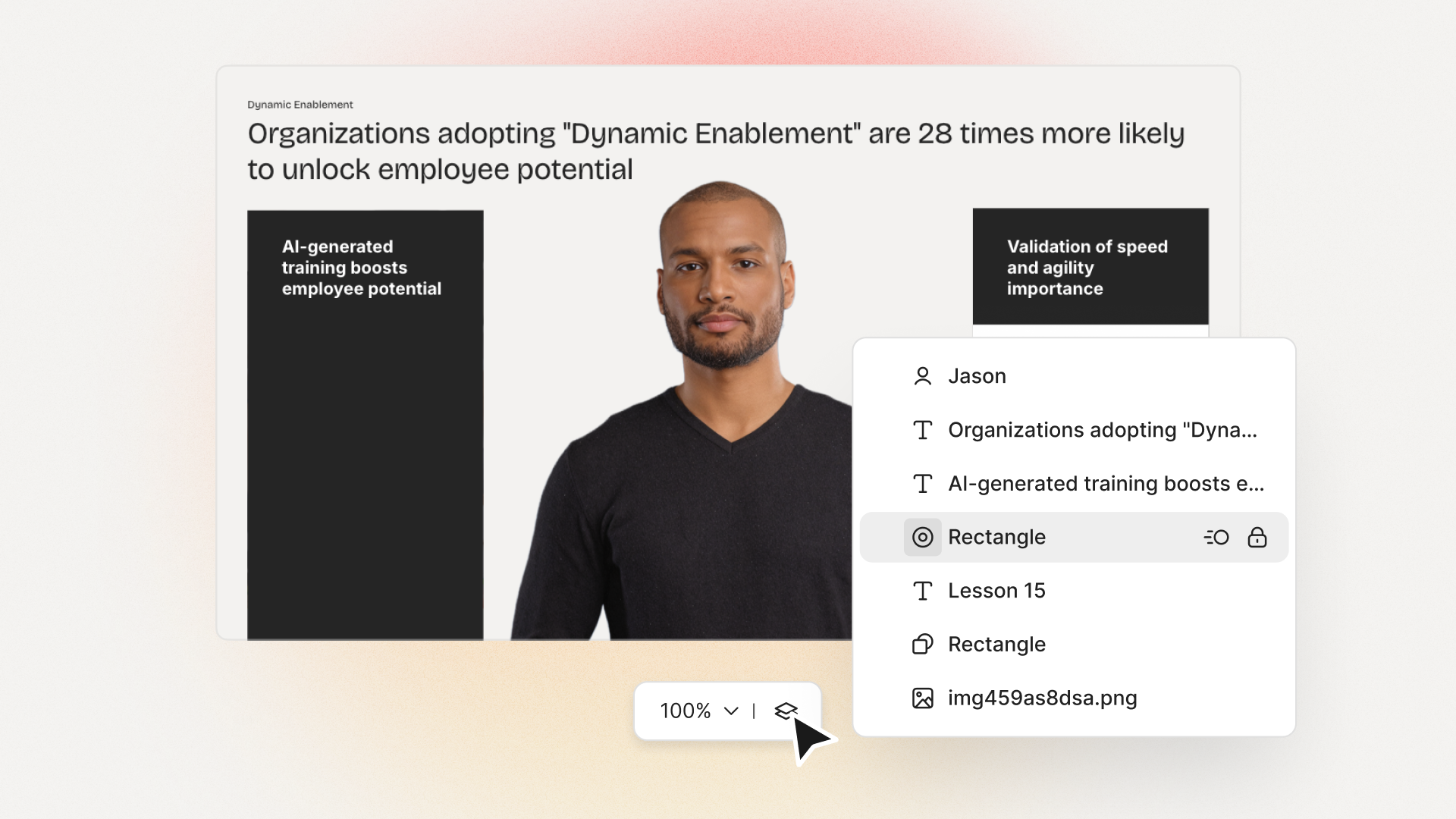
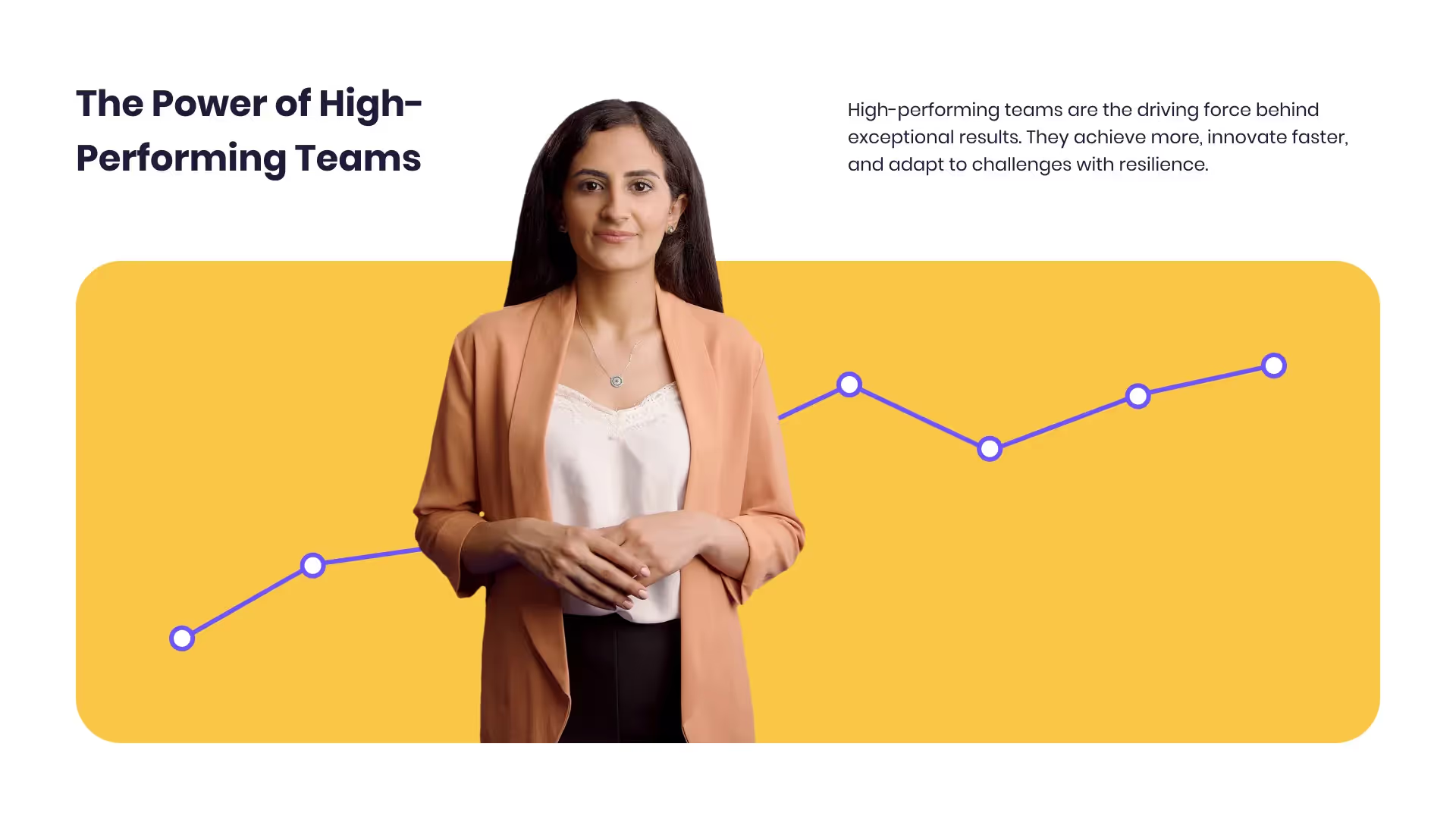
Most LMSs aren’t great at building content. Static slides or long PDFs don’t engage. Colossyan can turn documents, decks, or prompts into narrated, interactive videos in minutes, with avatars and brand styling. SCORM ensures you get full reporting on usage and results.
Localization, branching, and conversation mode are built for modern habits: fast, mobile, and social workflows. It means you don’t need a video team - or to re-record for every new language.
Methodology and ratings
I relied on new reports, vendor trials, and reviews, acknowledging scores change. G2’s best are usually in the 4.4–4.8 range, but test for yourself.
How Colossyan helps, no matter your LMS
Every LMS here has gaps. Colossyan covers video creation, avatars, naming, translation, SCORM, analytics, and organization - giving you better content, with less effort and cost. I see teams transform bland training into measured, compelling experiences, whether you’re on Docebo, TalentLMS, Absorb, Litmos, iSpring, D2L, Cornerstone, Adobe, or Moodle.
You get fast document-to-video, always on-brand, and easy export to any LMS. Interactive features pull in learners and feed your reporting, so you know what’s working. With Colossyan, you’re not stuck waiting weeks for videos or translations, and you don’t need a studio or designer for every update.
That’s a real game-changer - without the marketing hype.






.avif)


%20(1).avif)



.webp)
.webp)