AI Tools Are Changing How Brands Make Ads
Brands want to make ads quickly without giving up on quality. AI commercial makers now help people without design or video editing experience create professional-looking videos in minutes. This has changed the way companies approach their ad production and lets them run more experiments and campaigns, often with less budget.
What’s Behind the Shift to AI Ad Makers?
Producing a single YouTube ad used to take 7 hours and cost hundreds of dollars for equipment. Most ad makers, according to a recent study, cut that time to a fraction while still delivering results. Some AI-powered tools report cutting editing time by 60% and letting users launch campaigns up to 80% faster. (Quickads stats)
But not all brands just want faster ads. Many want more types of content for different platforms, quicker A/B testing, and ways to localize or personalize for their market. This is where the top AI commercial makers stand out. Here’s how five of them are shaping the space-and where I think brands should look if they want results that scale, especially in professional environments like learning and training.
1. Commercial Video in Minutes, No Studio Needed
AI ad tools like Renderforest give users a clear workflow: give it an idea, choose animated or realistic visuals and music, edit using simple tools, then export for social or business use. Their natural-sounding text-to-speech replaces live voice recordings. The platform's workflow lets users move from script to video with branded visuals quickly. For small retailers, property agencies, or influencers-those who may not film ads in-house-this makes polished output feasible. It’s not just about speed; it’s accessibility.
Their promise is simple: you don’t need editing skills or extra gear. Most assets such as fonts and music are pre-licensed or easy to drop into your draft, and templates help non-designers avoid mistakes. This accessibility is the main advantage, as making quick, professionally-voiced ads has been out of reach for many non-technical teams until now.
2. All-in-One Editing and Script Tools
Some AI ad makers, like ones offering drag-and-drop timelines, have brought advanced features such as voice cloning, multi-language dubbing, and subtitle automation to mainstream use. A customer reports that these tools reduce time spent editing by 60%. (User claim)
I think multi-language dubbing and voice cloning matter for more than just marketing. They allow a global business to launch regional ads fast or replace expensive actor hires. For brands with international teams or customers, being able to scale into any language is now table stakes, not a bonus.
Automated tools sometimes put quantity over quality, but newer options have accurate subtitles, platform-specific aspect ratios for TikTok, Meta, and YouTube, and even per-scene prompt editing for more control. That means more high-quality experiments-and less one-size-fits-all messaging.
3. Studio Effects Without the Studio
Modern AI ad makers like FlexClip allow users to input a product page, document, or even a PowerPoint, then turn it into a studio-style video with only minutes of setup. Features like motion graphics, AI-tracked overlays, and auto-editing mean you don’t need to understand animation or have hours to spare. With over 800 voices and built-in music generation, you can get a lot of the effects that agencies used to charge for, without the same spend or wait.
As a result, the cost barrier for producing many creative ad variations or high-frequency product promos is a lot lower. It’s possible to create custom visuals, titles, and rapid-fire A/B tests for online ads and then quickly optimize based on results.
4. Smarter Asset and Template Libraries
High-volume creators need access to stock videos, audio, and templates. Some ad makers provide libraries with over 16 million clips, and let brands make variations or platform-specific cuts with just a few clicks. (Feature set)
More agencies now use AI to generate multiple ad drafts, test them, and keep what gets the best response. This isn’t just about speed-it's about running creative tests that used to be slow and expensive. More data-driven, direct feedback loops are now possible, which helps brands produce better-performing ads, faster.
Dubbing, avatars, voiceovers, and scene-wise script editing all help localize or personalize messaging. For agencies and franchises, that means less central work and more brand-safe autonomy across markets.
5. Data, Analytics, and Workflow Integration
Content shouldn’t just look good. It should be trackable-especially if you’re making ads for learning, onboarding, or compliance. Some platforms now provide robust analytics on video engagement, quiz scores, and even user-by-user progress. (HubSpot customer data)
Being able to export content in SCORM or track real interaction helps measure ROI, refine scripts, and prove results up the chain. For any business where results matter more than just views, this is a must.
Where Colossyan Fits In
Many AI ad makers focus on quick marketing content, but I see a big hole when it comes to training, e-learning, onboarding, or internal communications. That’s where Colossyan comes in. I work at Colossyan, and our focus is on helping large organizations create effective, interactive videos for learning and development-without the need for a design or video background.
How Colossyan Helps Teams Make Better Content
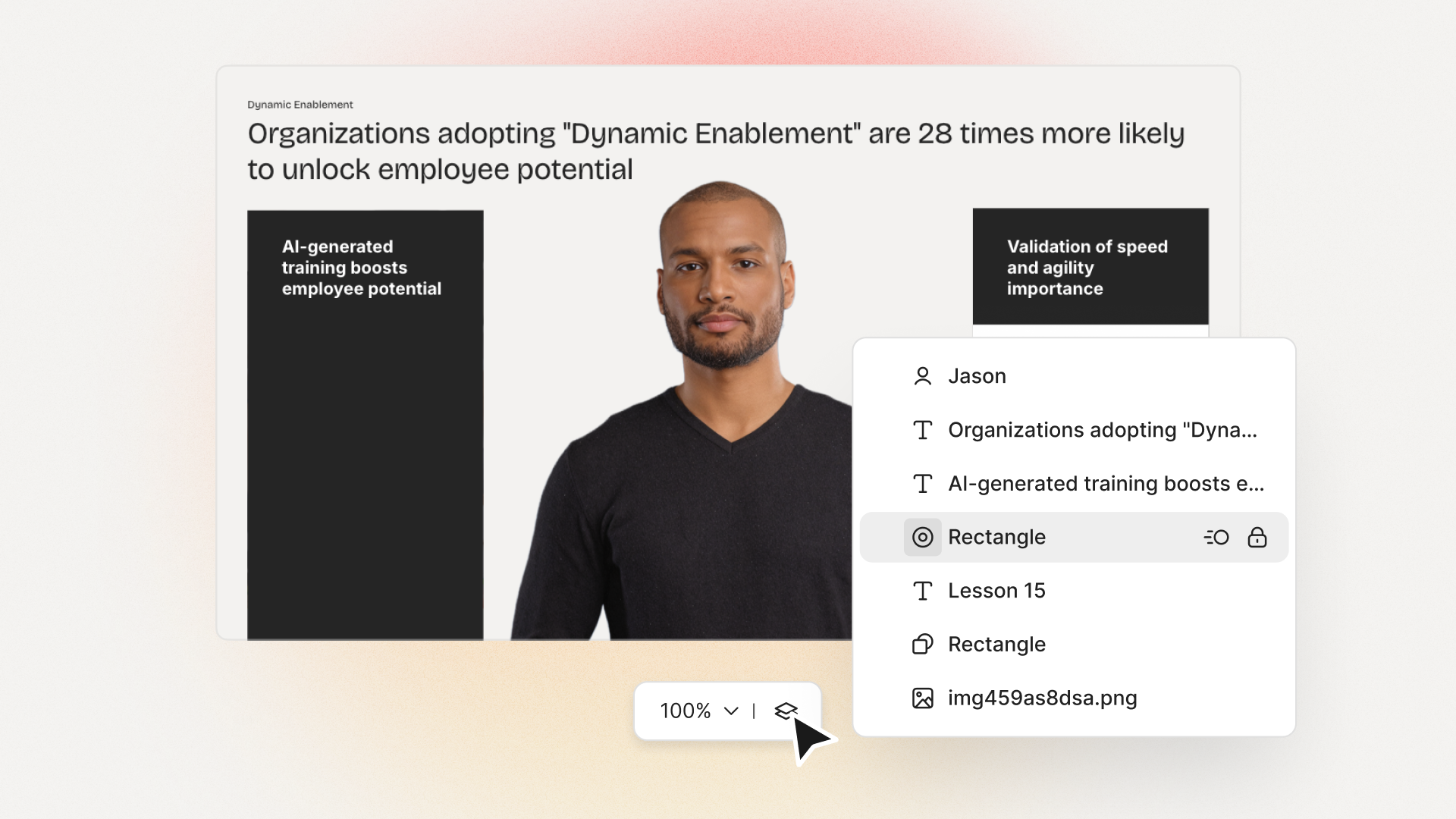
If you want to convert training decks or compliance documents into engaging videos, we let you upload the doc or slides and transform them into polished content using customizable AI avatars and voiceovers. It’s not just about making something look good. It’s about making it easy to update, localize, and track at scale.
You can add branded visuals, use SCORM exports for learning systems, and collect analytics on how much of your video is watched and who passed an interactive quiz. Workspace and asset management mean large teams collaborate without version chaos. Brands or departments can use their logos, fonts, and voices for consistent experiences every time.
For organizations rolling out content across multiple markets, Colossyan’s instant translation lets you duplicate a video-script, text, quiz and all-into dozens of languages in minutes. Local teams then edit just the bits that need cultural tweaks. This reduces both manual effort and errors.
Our goal isn’t replacing human creativity, but making it faster and more practical to experiment with videos, update them as policies or data changes, and still maintain consistency and brand polish at every step.
My Take: AI Ad Makers Drive Volume and Results If You Pick for Your Need
The current generation of AI commercial makers are best at one thing: turning ideas into output quickly, for brands serious about experimenting with lots of messages or reaching new markets. If you need surface-level ads and fast editing, there are good mainstream options. But when your videos need to drive learning, support onboarding, or prove business value with analytics, you need a different class of tool.
That’s where Colossyan stands out. We bridge the gap between marketing-focused AI ad makers and the robust needs of enterprise L&D. I don’t believe one size fits all-but I do think brands can save time and money right now by picking the right AI video system for their actual workflow, not just the flashiest features. The days of burning huge budgets on simple video production are nearly over.
And that can only be a good thing for brands, teams, and audiences alike.






.avif)


%20(1).avif)



.webp)
.webp)