Why Brands are Moving to AI for Marketing Video Production
The demand for video content keeps rising. Businesses are now producing more learning, training, and marketing videos than ever. But many brands simply can’t keep up using traditional methods. Video shoots are expensive, time consuming, and need lots of specialized skills. It’s hard to scale.
AI video generators are changing the game. These tools skip actors, studios, and long edits. Instead, scripts turn into videos within minutes. Over 89% of businesses use video for marketing, so the pressure is on to deliver a steady stream of fresh, quality videos without blowing the budget.
The Real Problem: Too Much Demand, Not Enough Resources
Brands now need video for everything sales, onboarding, compliance, customer education, and more. On top of this, audiences expect content on their terms: short clips, interactive training, and videos in multiple languages. The scale required is massive.
If you rely on old processes, you hit walls fast. Scripting, filming, editing, approving, revising, and re-shooting one video can eat up weeks and lots of money. Even large companies struggle to turn around this kind of content at the needed scale. Small teams, in particular, just don’t have the time or budget.
Cost Barriers are Real
AI solves the cost and complexity problem. With automation, a script quickly becomes a video, personalized for each segment or channel. There are fewer bottlenecks no waiting for actors to become available, or for studio space, or for complex edits. This opens the door for smaller firms to compete with bigger rivals.
Panopto claims video training can reduce costs by up to 60%, showing just how much time and money traditional video eats up.
Modern AI Video Tools: What Actually Matters
A lot of AI video tools make big claims. But most brands care about a few simple things: making content faster, making it cheaper, and not sacrificing quality or brand standards. AI tools now offer libraries of avatars, instant brand kits, translation into dozens of languages, and built-in analytics so there’s less manual work all around.
Take Synthesia, for example. It claims that over 90% of Fortune 100 companies now use its AI video solutions. At this adoption rate, it’s obvious that AI isn’t just for startups. It’s mainstream.
At the same time, survey data shows that videos on landing pages can boost conversions by up to 86%. If the data says video sells, then making video more accessible is a business imperative not a nice-to-have.
Personalization, Speed, and Analytics Win Out
AI video production isn’t just about moving faster. It’s also about making content that works. Brands can quickly tailor videos by product line, language, audience, or region which old-school production struggles to do.
And with analytics, measuring results is easier. You know exactly how many people watched, clicked, or finished watching data you need to make decisions. Personalization and tracking lead to smarter decisions and better ROI.
Of course, automation and speed mean little without oversight. AI lets you make changes fast, but human input is still key for storytelling, creative review, and ethical concerns such as disclosure and bias control. If you only push out generic, unreviewed videos, audiences tune out fast.
Practical Tactics: What Top Brands are Doing Right
Data shows investing in the right workflow makes a difference. Some clear tactics stand out:
- Use clear objectives and KPIs. Test personalized videos versus generic ones and see what works.
- Focus on a strong hook in the first few seconds audiences drop off fast if you waste time.
- Tie content closely to real audience pain points. Skip corporate speak.
- Tell stories rather than pitching products, especially in training or onboarding contexts.
- Repurpose video across many touchpoints email, social, internal comms, product training.
- Disclose that you’re using AI, especially for external marketing, to build trust.
Mature teams also spend time on analytics and A/B testing. Don’t just publish and forget. See what sticks and redeploy budget if needed. According to Gartner, poor data quality can cost millions a year so measuring results is more than a nice-to-have, it’s essential (source).
How We Approach These Challenges at Colossyan
At Colossyan, we see these problems in global organizations every day. Learning and Development teams need to scale their training, but they run into the same bottlenecks: limited design staff, outdated training decks, and long turnaround times.
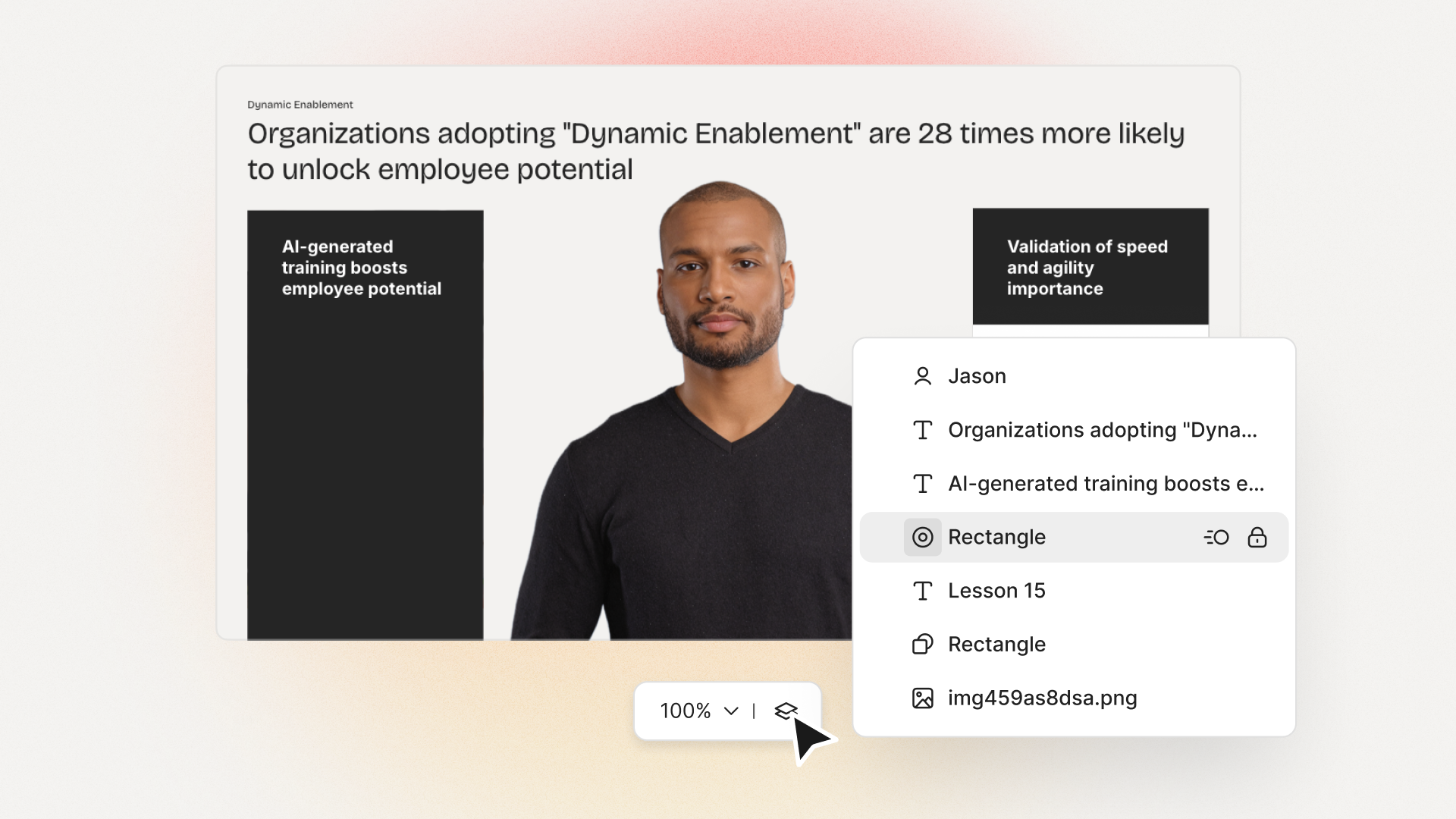
This is why we focus on fast, automated document-to-video workflows. Our users can upload a training manual or a set of slides, and the system generates a draft video right away avatars, narration, and branding included. There’s no need to hunt down stock footage or wrestle with complex animation timelines. Templates help less tech-savvy users get started, while the Editor gives power users fine control.
Brand consistency is easy. Our Brand Kits apply the right logos, fonts, and colors to every video. Teams don’t worry about someone using the wrong blue or an outdated logo. Avatars both stock and instant, based on your own people let you put a personal face on learning or comms content. Voices, including custom-cloned voices, keep the experience familiar in every language.
Analytics drive improvement. Every training video shows detailed insights on completion rates and quiz scores. L&D managers finally see which modules work and which gaps need closing.
Scale is possible with easy workspace and content library management. Large teams split drafts into folders, reuse media assets, and control who can edit or view certain materials. Localization is quick one click translates content and avatars for global roll-out.
SCORM exports connect directly to Learning Management Systems, making tracking and compliance easy. We’re not selling hype or “revolutionizing” anything we’re offering teams the tools to do more with less, while measuring what matters.
The Bottom Line: Making Video Production Practical Again
AI-powered video production has become practical, not futuristic. Brands move faster, spend less, and still maintain a high level of quality and control both for training and for customer-facing marketing.
The brands that win are those who treat AI as a tool, not a replacement for creative judgment. They reuse, measure, and refine their content staying close to what actually works rather than what just looks good.
As an employee at Colossyan, I see firsthand how the right tools, clear processes, and constant measurement allow teams to finally scale their video output. In a market that’s only moving faster, that edge can be the difference between leading and lagging behind.







.avif)


%20(1).avif)




.webp)
.webp)